Vanella: A Handwritten Script Font for Romantic and Unique Design Projects
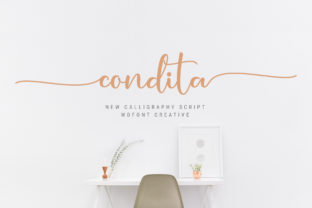
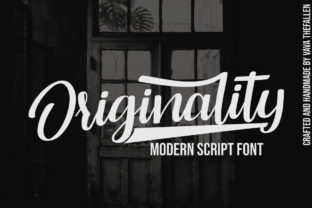
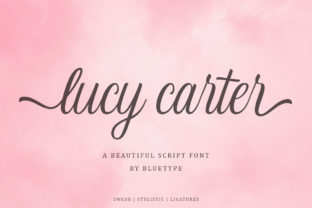
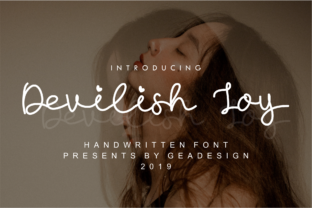
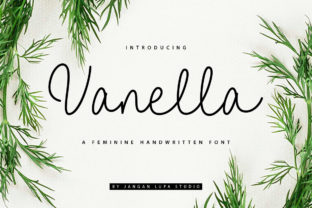
Vanella is a handwritten script font designed to evoke warmth, personality, and elegance. Its flowing letterforms, subtle variations in stroke weight, and natural-looking connections between characters mimic authentic pen-on-paper writing—without the irregularities that can hinder readability at smaller sizes. Unlike calligraphic fonts with dramatic flourishes or monoline scripts with uniform thickness, Vanella strikes a middle ground: expressive enough to convey intimacy and artistry, yet structured enough for practical application across digital and print media.
Why Designers Consider Vanella
Designers often seek Vanella when they need typography that communicates softness, sincerity, or personal connection. It’s commonly evaluated for projects where tone matters as much as legibility—such as wedding stationery, boutique branding, artisanal packaging, or lifestyle blog headers. Users researching Vanella typically want to know whether its aesthetic qualities align with their project’s emotional intent and functional requirements—not just whether it “looks nice.”
Interest in Vanella tends to arise during specific decision points: choosing a display font for a logo, selecting a secondary typeface to complement a clean sans serif, or refreshing a brand identity to feel more human-centered. Its handwritten nature signals approachability, which can be especially relevant for small businesses, creatives, or wellness-related services aiming to differentiate themselves from corporate or tech-heavy visual languages.
Practical Benefits and Real-World Tradeoffs
One of Vanella’s primary strengths is its versatility within its category. It includes standard Latin characters, numerals, punctuation, and basic diacritics—making it usable for English-language projects without requiring fallback fonts for common accents. Its OpenType features (where supported) include ligatures and alternate characters, offering subtle typographic refinement without manual adjustments.
However, Vanella is not intended for body text. Like most script fonts, its connected letterforms and variable spacing reduce readability below 24–30 pt in print or ~28 px on screen. Using it for paragraphs, captions, or interface labels risks compromising clarity and accessibility. Designers must pair it intentionally—typically with a neutral, highly legible sans serif or serif for supporting text.
Another consideration is licensing. Vanella is available under both desktop and web font licenses, but usage rights vary by vendor. Some versions restrict use in templates or SaaS platforms unless an extended license is purchased. Users evaluating Vanella should verify compatibility with their intended delivery method (e.g., static PDFs vs. dynamic web pages) and distribution scope (e.g., internal use vs. client deliverables).
When Vanella Fits Well
Vanella works best in contexts where hierarchy and intentionality are built into the layout. For example:
- Wedding invitations and save-the-dates: Its graceful curves support romantic themes without appearing overly ornate or dated.
- Small-batch product labels: On artisanal goods like candles, teas, or skincare, Vanella conveys craftsmanship and care.
- Logo wordmarks for service-based brands: Therapists, photographers, florists, or yoga studios may use Vanella in logos to reflect empathy and individuality—provided the name is short and legible at scale.
- Social media graphics and email headers: As a large-scale accent element, it adds visual distinction while remaining scannable in feed environments.
In each case, success depends less on Vanella alone and more on how it integrates with color, spacing, imagery, and surrounding type. Its effectiveness increases when used sparingly and deliberately—not as a default or decorative filler.
When Alternatives May Be More Suitable
Vanella may fall short in scenarios demanding high functional performance or broader linguistic support. For instance:
- Multilingual branding: Vanella lacks extended Latin, Cyrillic, or Greek character sets. Projects targeting diverse audiences may require fonts like Playfair Display (for contrast with script elements) or Cormorant Garamond (for elegant serif alternatives with wider language coverage).
- Digital interfaces with dynamic content: If text updates automatically (e.g., user-generated names in certificates), Vanella’s connected forms can cause awkward breaks or spacing issues. A more modular script like Brilliant Script or a carefully spaced hand-lettered alternative may offer better control.
- Brands prioritizing memorability over warmth: Some identities benefit from bolder, more distinctive lettering—like American Captain or custom-drawn solutions—especially where Vanella’s gentleness could dilute impact.
Additionally, designers working under tight deadlines or with limited typography experience may find Vanella harder to pair effectively than more forgiving options. Its success hinges on thoughtful contrast: pairing it with a typeface that provides clear visual separation—not just contrast in style, but in function and hierarchy.
Making an Informed Choice
Evaluating Vanella isn’t about determining whether it’s “good” in absolute terms—it’s about assessing fit. Ask these questions before committing:
- What role will the font play? If it’s for headlines, logos, or short quotes, Vanella is viable. If it’s needed for navigation menus, data tables, or long-form content, reconsider.
- Who is the audience? Does the tone it projects match how your audience perceives your brand? Test it alongside imagery and voice samples—not in isolation.
- What technical constraints apply? Confirm file formats, embedding permissions, and rendering behavior across target devices and browsers. Preview how it appears on mobile screens and low-resolution printers.
- Is there a clear pairing strategy? Identify a complementary typeface before finalizing Vanella. Avoid pairing it with other scripts or overly decorative serifs, which can compete for attention.
Finally, consider testing. Export two versions of a key asset—one using Vanella, one using a neutral alternative—and gather feedback focused on perception (“Does this feel trustworthy?” “Does this match the brand’s values?”) rather than subjective preference. Objective input helps separate aesthetic appeal from functional alignment.
Vanella remains a thoughtful option for designers who prioritize expressive typography but understand its boundaries. Its value lies not in universality, but in specificity: it excels where authenticity, romance, and quiet confidence are central to the message—and where its limitations are acknowledged and accommodated through careful design decisions.