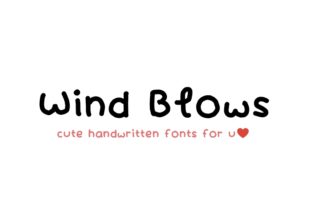
Believe There Will Be Beauty
Believe There Will Be Beauty is more than a font—it’s a deliberate design choice with psychological and strategic weight. Designed as an inspiring, yet whimsical handwritten typeface, it carries warmth, authenticity, and quiet confidence. Its irregular strokes, subtle flourishes, and human rhythm resist digital uniformity—making it especially effective when you need to signal care, intention, or emotional resonance. For professionals who understand that typography shapes perception—not just aesthetics—Believe There Will Be Beauty offers a rare blend of personality and purpose.
Why This Font Fits Strategic Intent—Not Just Style
Typography influences how messages land before a single word is read. A rigid sans-serif conveys efficiency; a high-contrast serif signals tradition or authority; but Believe There Will Be Beauty communicates something quieter and more enduring: hope grounded in action. It doesn’t shout. It invites. That makes it unusually well-suited for contexts where trust, reflection, or personal connection matters more than speed or scale.
Entrepreneurs launching a values-driven brand, educators designing inclusive learning materials, or small business owners crafting heartfelt customer onboarding—these audiences benefit from type that feels considered, not automated. When your goal is to reinforce sincerity without sacrificing clarity, Believe There Will Be Beauty functions less like decoration and more like tone-of-voice infrastructure.
Where It Delivers Real Impact (and Where It Doesn’t)
Strategic use begins with alignment—not novelty. Believe There Will Be Beauty shines in moments of emphasis and meaning: a mission statement on a nonprofit’s homepage, the opening line of a workshop syllabus, a hand-signed thank-you note embedded in a client proposal, or the title treatment on a self-published memoir. In each case, it supports an outcome: deeper engagement, slower reading, emotional anchoring.
It rarely works well for dense body text, data tables, legal disclaimers, or interface labels—contexts demanding neutrality, speed, or universal legibility. Using Believe There Will Be Beauty there doesn’t add charm; it adds friction. The risk isn’t ugliness—it’s misalignment. A font that softens tone becomes a liability when users need precision, urgency, or accessibility-first clarity.
Three Practical Use Cases With Measurable Rationale
- Branded storytelling assets: A small bakery uses Believe There Will Be Beauty for its “Our Story” page headline and seasonal menu titles—but pairs it with a clean, highly legible sans-serif for ingredients, hours, and contact details. The contrast reinforces authenticity without compromising usability.
- Educational course design: An online instructor applies Believe There Will Be Beauty to weekly reflection prompts (“What surprised you this week?”) while keeping lesson instructions and assessment criteria in a functional, accessible typeface. The result? Learners pause, connect, and internalize—without getting lost in formatting.
- Client-facing strategy documents: A freelance brand consultant uses Believe There Will Be Beauty only for section headers tied to vision and values (“Where We’re Going,” “What Matters Most”)—not deliverables or timelines. That intentional restraint signals priority, not pretension.
How to Approach It With Intention—Not Instinct
Start by asking three questions before reaching for Believe There Will Be Beauty:
- What specific feeling or behavior do I want this element to support? (e.g., “I want readers to linger longer on this value statement.”)
- Is this the most appropriate place for emotional emphasis—or would that energy be better placed elsewhere?
- Does this choice serve the audience’s needs first—or my own aesthetic preference?
When used intentionally, Believe There Will Be Beauty strengthens hierarchy—not obscures it. It should never compete with content; it should elevate it. That means limiting usage to one or two high-impact placements per layout. Overuse dilutes meaning and erodes distinction. Think of it like a signature ingredient in a recipe: essential in small measure, overwhelming in excess.
Risks of Misapplication—and How to Avoid Them
The biggest risk isn’t poor legibility—it’s inconsistent messaging. If your website uses Believe There Will Be Beauty for headlines but defaults to sterile system fonts everywhere else, the disconnect can read as indecisive or performative. Similarly, pairing it with clashing colors, low-contrast backgrounds, or overly complex layouts undermines its strength: quiet sincerity.
Another subtler risk involves accessibility assumptions. While Believe There Will Be Beauty meets basic WCAG contrast standards at larger sizes, its variable stroke width and organic flow reduce readability at smaller sizes or for users with certain visual processing differences. Always test with real users—not just design tools—and provide fallbacks where needed (e.g., CSS font stacks that gracefully degrade).
Long-Term Value Lies in Discipline, Not Decoration
Fonts don’t build brands. People do. But thoughtful typographic choices—like choosing Believe There Will Be Beauty—can quietly reinforce consistency across touchpoints over time. A newsletter sign-up CTA using it once may feel charming. Using it consistently across welcome emails, milestone announcements, and annual reflections builds recognition—not through repetition alone, but through resonance.
That kind of coherence pays dividends in retention and referral. Customers remember how something made them feel long after they forget exact wording. When Believe There Will Be Beauty appears in places that matter—on a scholarship application form, inside a teacher’s feedback comment, or beside a donation ask—it accumulates meaning. It becomes shorthand for care.
Planning Tips for Sustainable Use
- Define your “beauty threshold”: Create a simple rule—for example, “Only use Believe There Will Be Beauty where the text expresses a core value, invitation, or emotional pivot point.” Write it down. Revisit it quarterly.
- Build a paired system: Identify one highly legible, accessible companion font (e.g., Inter, Lato, or Source Sans Pro) and lock in their roles: Believe There Will Be Beauty for voice; the companion for function.
- Document usage—not just files: In your design system or brand guide, note not just size and color, but why and when. Example: “Used only for section headers in client strategy decks to emphasize shared intention before diving into tactics.”
- Review usage annually: Open your last 12 client decks, email campaigns, or web pages. Does every instance of Believe There Will Be Beauty still serve its original strategic purpose—or has habit replaced intention?
A Final Observation on Choice and Consequence
Every font choice participates in a larger conversation about attention, values, and priorities. Believe There Will Be Beauty asks for space, slowness, and presence—qualities increasingly scarce in digital environments optimized for scanning and speed. That tension is precisely what gives it power. But power requires stewardship.
Using it thoughtfully doesn’t mean using it often. It means using it only when the message deserves the weight—and the audience deserves the pause. When aligned with clear goals, grounded in audience insight, and applied with disciplined restraint, Believe There Will Be Beauty does more than look lovely. It helps people believe—not in abstraction, but in possibility earned through careful, human-centered decisions.