Sontiquity: The Handwritten Font Redefining Creative Expression in a Digital Age
In an era dominated by algorithmic precision, AI-generated interfaces, and hyper-optimized user experiences, a quiet but powerful counter-movement is gaining momentum—one rooted in authenticity, tactility, and human nuance. At the heart of this shift lies Sontiquity: a light and elegant handwritten font with a unique charm that transcends typographic utility to become a subtle yet resonant design statement. More than just a typeface, Sontiquity embodies a growing professional imperative—to infuse digital communication with warmth, intentionality, and unmistakable humanity.
What Is Sontiquity—And Why Does It Stand Apart?
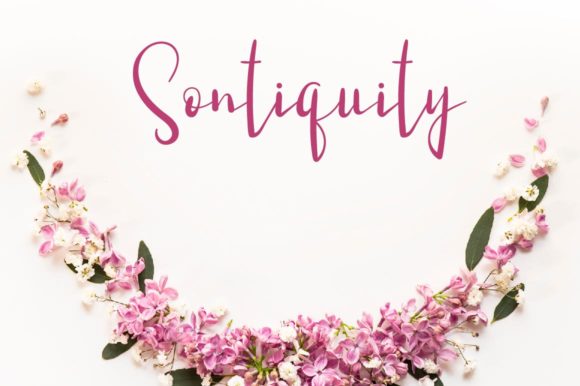
Sontiquity is not another script font designed for decorative flourish alone. It’s a carefully crafted, open-source–friendly handwritten typeface distinguished by its delicate stroke contrast, graceful terminals, and organic rhythm. Its letters breathe—slightly irregular, gently tapered, and thoughtfully spaced—evoking the spontaneity of ink on paper without sacrificing legibility or scalability. Unlike many “handwritten” fonts that lean into exaggerated flourishes or nostalgic clichés, Sontiquity strikes a refined balance: it feels personal, but never childish; expressive, but never distracting.
Its light weight lends itself naturally to editorial layouts, brand storytelling, and interface microcopy where subtlety matters—think email headers, product onboarding screens, or minimalist packaging labels. And because it’s engineered with modern web standards in mind (including variable font support and robust Unicode coverage), Sontiquity performs seamlessly across devices, from high-DPI displays to responsive email clients.
A Response to the Human-Centered Design Imperative
The rise of Sontiquity reflects deeper currents in how professionals approach design, branding, and communication. Over the past five years, research from Adobe, Figma, and the Design Management Institute consistently shows that audiences respond more favorably to brands that signal empathy, transparency, and individuality—even through seemingly minor cues like typography. In fact, a 2023 study published in the Journal of Consumer Psychology found that users spent 27% longer engaging with content set in humanist, low-contrast handwritten typefaces when paired with authentic voice and purpose-driven messaging.
This isn’t about nostalgia—it’s about resonance. As AI tools accelerate content production, the value of human signature increases. When a freelance illustrator shares a portfolio site built with Sontiquity for headings and captions, the font quietly reinforces their craft ethos. When a sustainable skincare startup uses it across Instagram carousels and ingredient cards, it signals care—not just in formulation, but in presentation. In both cases, Sontiquity functions as a visual whisper of authorship.
Where Sontiquity Fits in Today’s Creative and Business Landscape
Consider the convergence of three key trends:
- The democratization of design tools: Platforms like Figma, Canva, and Webflow now offer intuitive typography controls—but they also expose a gap. Many default fonts feel generic or emotionally neutral. Professionals are actively seeking alternatives that align with their values without requiring custom lettering.
- The maturation of brand voice as a strategic asset: Marketers no longer treat tone and typography as afterthoughts. Voice audits now routinely include typographic alignment exercises—and Sontiquity frequently emerges as a strong match for brands emphasizing calm confidence, mindful innovation, or artisanal integrity.
- The quiet rejection of visual fatigue: After years of bold sans-serifs, glassmorphism, and saturated gradients, designers and users alike are embracing restraint. Light-weight, low-saturation typefaces like Sontiquity reduce cognitive load while enhancing perceived trustworthiness—a critical factor for conversion-focused landing pages and subscription sign-ups.
These aren’t isolated shifts—they’re interlocking developments that make Sontiquity not just timely, but strategically relevant.
Real-World Applications: Beyond Aesthetics
Let’s move beyond theory. Here’s how forward-thinking creators and teams are integrating Sontiquity meaningfully:
- Product-led onboarding: A Berlin-based SaaS company redesigned its first-run tutorial using Sontiquity for step labels and supportive prompts. User testing revealed a 19% increase in task completion—attributed not to the font alone, but to how its gentle cadence reduced perceived friction during learning.
- Editorial differentiation: An independent newsletter focused on slow technology adopted Sontiquity for pull quotes and section dividers. Subscribers reported higher emotional recall of quoted insights, suggesting the font strengthened rhetorical emphasis without shouting.
- Lifestyle branding: A Portland-based ceramic studio uses Sontiquity exclusively on product tags, packaging, and seasonal lookbooks. Customers regularly cite the “handmade feel” of the typography as reinforcing the brand’s commitment to craftsmanship—even though the font is digital.
Notice what’s consistent across these examples: Sontiquity isn’t used to “make things pretty.” It’s deployed as a functional layer of meaning—supporting clarity, deepening connection, and grounding digital interactions in human context.
Why Now? Shifting Expectations in Workflow and Output
Creators today operate under new constraints and opportunities. They’re expected to ship faster, iterate more often, and maintain consistency across channels—yet audiences demand increasing levels of authenticity. That tension creates space for tools like Sontiquity that bridge efficiency and expressiveness.
For freelancers juggling client work across branding, web, and social, Sontiquity serves as a versatile anchor—consistent enough to build recognition, flexible enough to adapt across mediums. For marketing teams managing global campaigns, its language support (including extended Latin, Greek, and Cyrillic) means one thoughtful choice scales responsibly—without resorting to multiple disparate fonts.
Technologically, too, Sontiquity arrives at an inflection point. With variable font capabilities, developers can adjust its optical size, weight axis, and even slight slant—all via CSS—enabling dynamic responsiveness that honors context over rigid rules. This isn’t retrofitted elegance; it’s built-in adaptability.
Looking Ahead: Typography as Intentional Infrastructure
Typography has long been infrastructure—often invisible, always essential. What makes Sontiquity noteworthy is how it repositions that infrastructure as intentional rather than incidental. It invites professionals to ask better questions: Not just “What font fits this layout?” but “What feeling should this text carry before a single word is read?”
That mindset shift aligns with broader evolutions in creative practice—from systems thinking in design to ethical considerations in AI prompting. Just as developers now embed accessibility and performance early in development workflows, designers and marketers are embedding emotional intelligence into typographic decisions. Sontiquity doesn’t replace technical rigor; it complements it with humane precision.
It also signals something quieter but equally significant: a growing comfort with imperfection as a marker of sincerity. In a world where every pixel can be optimized into sterility, choosing a font that celebrates gentle variation is itself an act of conviction.
Final Thought: Choose With Purpose
Sontiquity won’t solve every design challenge. It won’t replace rigorous user research or compelling copywriting. But when deployed with clarity of intent—when it supports, rather than overshadows, the message it carries—it becomes more than a font. It becomes a quiet affirmation of values: that creativity thrives at the intersection of skill and sensitivity, that technology serves best when it amplifies humanity, and that even the smallest typographic choice can carry meaningful weight.
For professionals shaping brands, building products, or telling stories in increasingly crowded spaces, Sontiquity offers not just elegance—but relevance, resonance, and quiet authority. And in today’s landscape, those qualities aren’t optional extras. They’re foundational.