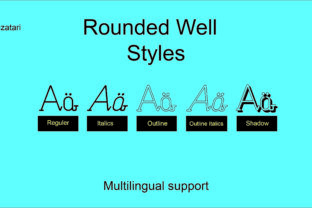
Rounded Well: A Friendly, Modern Font
Rounded Well is a fresh and unique font with a lovely charm. It will add a personal twist on any design project—whether you’re crafting a cozy blog header, designing a small business logo, or preparing classroom handouts. Unlike rigid, overly technical typefaces, Rounded Well feels approachable and warm without sacrificing clarity or professionalism.
What Makes Rounded Well Stand Out?
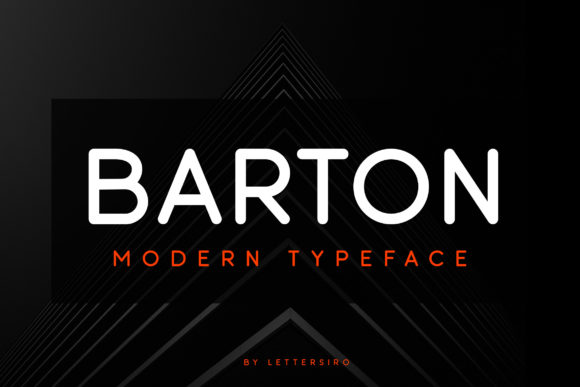
At its core, Rounded Well is a sans-serif font with softly curved terminals, generous letter spacing, and balanced proportions. Its rounded corners give it a gentle, inviting presence—think of the friendliness of handwriting, but with the consistency and polish of digital typography. Letters like “a,” “e,” and “g” have open, airy shapes that improve readability at smaller sizes. The lowercase “t” features a subtle crossbar tilt, and the “y” has a graceful, slightly tapered tail—small details that lend personality without distracting from function.
It’s not just about aesthetics. Rounded Well was designed with real-world use in mind: screen legibility, print versatility, and compatibility across platforms. It includes standard OpenType features like ligatures and alternate characters, giving experienced designers room to refine, while remaining intuitive for beginners who just want something that looks great right away.
Who Benefits Most From Rounded Well?
If you value warmth and authenticity in your visuals—without leaning into clichéd “hand-drawn” trends—Rounded Well fits naturally. Educators find it ideal for student-facing materials because it feels welcoming yet clear. Bloggers and content creators use it for headlines and callout text to soften the tone of long-form posts. Small business owners appreciate how it elevates simple Canva flyers or Instagram Stories without needing a designer.
Freelancers often choose Rounded Well when building brand identities for clients in wellness, education, lifestyle, or creative services—fields where trust and approachability matter. One graphic designer told us she used it for a local yoga studio’s website and menu, noting how it helped convey calm energy while staying easy to read on mobile devices.
Real-World Uses You Can Try Today
- Websites & blogs: Pair Rounded Well for headings with a clean, neutral body font like Inter or Lato. Its softness draws attention without overwhelming readers.
- Social media graphics: Works beautifully on Instagram carousels or Pinterest pins—especially for quotes, tips, or event announcements.
- Printed materials: Looks crisp on business cards, workshop handouts, or packaging labels—even at 10–12 pt size.
- Presentation slides: Helps break up dense information with visual warmth, especially in educational or team-training settings.
- Email newsletters: Adds character to subject lines or section headers, helping messages stand out in crowded inboxes.
You don’t need advanced software to get started. Rounded Well works smoothly in Google Docs, Canva, Figma, Adobe Creative Cloud, and most modern design tools. Many users begin by swapping it in for default system fonts—and immediately notice how much more cohesive and intentional their layouts feel.
Things to Keep in Mind Before Using Rounded Well
While Rounded Well shines in many contexts, it’s worth considering a few practical points. First, it’s best suited for display or mid-size text—not extremely long paragraphs. For body copy in lengthy documents or websites, pairing it with a highly legible serif or neutral sans-serif keeps reading comfortable.
Second, consider contrast. Because of its soft edges and moderate stroke weight, Rounded Well performs best against clean, uncluttered backgrounds. On busy photos or textured overlays, test readability carefully—especially for accessibility. Adding a light drop shadow or subtle background tint can help maintain clarity.
Third, licensing matters. Rounded Well is available under both free and premium licenses, depending on usage. Personal projects and non-commercial blogs often qualify for the free version. If you plan to use it in client work, merchandise, or SaaS interfaces, check the license terms to ensure compliance. Reputable font vendors provide clear guidance—and many offer trial versions so you can test before committing.
Why It Fits So Well With Modern Design Values
Rounded Well reflects a broader shift in how people connect with visual content: less polished perfection, more human-centered intention. In an age where audiences respond to authenticity—not just aesthetics—it helps brands and creators signal care, clarity, and kindness through typography alone.
It also supports inclusivity. Its open letterforms and consistent x-height aid readers with dyslexia or low vision, especially when paired with appropriate sizing and spacing. That doesn’t mean it replaces accessibility-focused fonts like Atkinson Hyperlegible—but it does show that friendliness and function can coexist gracefully.
A Simple Way to Get Started
Try this quick experiment: Open your next slide, social post, or email draft. Replace one headline or button label with Rounded Well. Adjust the size slightly larger than usual (it often reads a bit lighter than expected), and add a touch more line height. Notice how the tone shifts—not louder, but warmer. More grounded. More *you*.
That’s the quiet power of Rounded Well. It doesn’t shout. It invites. It makes space for personality without demanding attention. And whether you're launching a side hustle, teaching a class, or sharing ideas online, that kind of thoughtful design support makes a real difference.
Final Thought
Typography isn’t just about letters—it’s about how people feel when they encounter your work. Rounded Well gives you a reliable, expressive tool to shape that feeling intentionally. It’s not flashy, but it’s memorable. Not trendy, but quietly current. And above all—it’s designed to serve your message, not compete with it.