Barton: The Rounded Font That Builds Trust Without Saying a Word
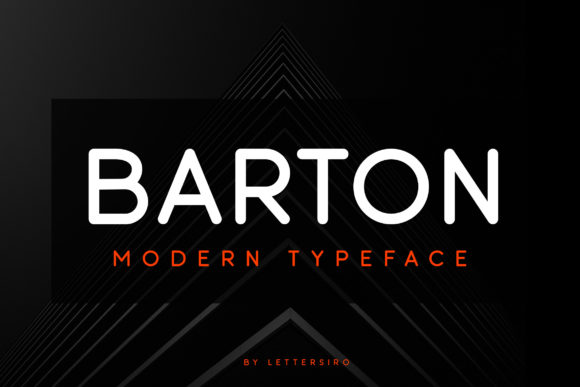
If you’ve ever stared at a blank cover, redesigned a logo for the third time, or agonized over whether your newsletter header feels “friendly but professional,” you’re not overthinking — you’re tuning into something real: type has tone. Barton isn’t just another rounded font. It’s a quiet confidence builder — elegant without being fussy, modern without feeling cold, strong without shouting. Its curves are intentional, its weight is grounded, and its rhythm works whether it’s printed on a coffee sleeve or scaled across a billboard.
Where Barton Fits Naturally (and Where It Doesn’t)
Barton shines where warmth meets clarity — especially when people need to feel welcomed, assured, or inspired. Think of it as the typographic equivalent of a well-lit, thoughtfully arranged storefront: approachable, intentional, and quietly memorable.
Magazine editors reach for Barton when designing covers that must stand out on crowded newsstands — not with loud contrast, but with confident presence. A food magazine might use Barton for its title treatment because its soft curves echo the organic shape of ingredients, while its sturdy letterforms keep the design from drifting into whimsy. Similarly, indie publishers use Barton for book spines and chapter openers — it reads clearly at small sizes, holds up in serif-and-sans pairings, and gives literary nonfiction or memoirs a grounded, human voice.
Real Moments When Barton Makes a Difference
- A local bakery launching its first branded tote bag: They tried three fonts before landing on Barton. Not because it was “trendy,” but because it looked hand-drawn enough to feel personal — yet clean enough to print crisply on cotton. Customers noticed the logo before they noticed the font name… but they remembered how it made them feel: warm, trustworthy, unhurried.
- A freelance educator creating online course slides: She swapped her default sans-serif for Barton in headers only. Suddenly, her slides felt less like bullet-pointed lectures and more like guided conversations. Students commented that the material “felt easier to absorb.” The rounded terminals softened visual fatigue during long screen sessions — no extra effort required, just better reading flow.
- A therapist updating their website: They avoided fonts that felt clinical or overly decorative. Barton struck the balance — gentle curves signal empathy; consistent stroke weight conveys stability. It didn’t scream “I’m friendly!” — it simply held space, quietly.
Why Designers, Marketers, and Small Teams Choose Barton
It’s not about novelty. It’s about efficiency with intention. Barton reduces decision fatigue. When you’re juggling client revisions, platform constraints, and tight deadlines, having a typeface that works reliably across contexts saves mental bandwidth. It scales cleanly from mobile app buttons to large-format posters. It pairs effortlessly with neutral text fonts like Inter or Lora — no awkward contrast, no clashing moods.
For marketers building brand consistency across email, social graphics, and printed flyers, Barton delivers cohesion without repetition. Use it for campaign headlines, then scale it down slightly for subheads — the rhythm stays legible, the tone stays aligned. Unlike ultra-thin or highly stylized rounded fonts, Barton doesn’t disappear at smaller sizes or blur on low-res screens. That reliability means fewer last-minute fixes and fewer “why does this look off?” moments.
What to Consider Before You Use Barton
Like any tool, Barton works best when matched to purpose — not just aesthetics. Ask yourself:
- Is legibility at small sizes critical? Barton excels here — especially in UI elements, labels, or footnotes — but avoid ultra-light weights for body copy in long-form digital content. Stick to Regular or Medium for readability on screens.
- Does your brand voice lean toward playful, tech-forward, or minimalist? Barton leans warm, human-centered, and timeless — not futuristic, not retro, not ironic. If your audience responds to sharp edges or high-contrast drama, Barton may soften your message more than intended.
- Are you pairing it with other fonts? Barton harmonizes beautifully with both classic serifs (e.g., Playfair Display for elegance) and functional sans-serifs (e.g., Open Sans for balance). Avoid pairing it with other rounded fonts — the similarity can blur hierarchy instead of clarifying it.
Also worth noting: Barton includes true italics (not slanted roman), multiple optical sizes, and extensive language support — practical details that matter when localizing a brochure for bilingual communities or preparing assets for global ad campaigns.
Everyday Uses You Might Not Expect
Barton shows up in places you’d never scan for font names — and that’s the point. A yoga studio uses it on class schedule prints because its openness mirrors breath and space. A sustainable apparel brand chooses it for hang tags — the curves echo natural fibers; the weight reflects durability. Even educators printing classroom posters choose Barton for vocabulary walls: children recognize letter shapes more easily when terminals are gently rounded, not angular or abrupt.
And for bloggers and content creators? Barton adds subtle polish to featured quote graphics or podcast episode thumbnails — enough distinction to stand out in a feed, without competing with the message itself. It doesn’t distract. It supports.
Not Just for “Designers” — For Anyone Who Communicates
You don’t need a design degree to benefit from Barton. If you’ve ever typed a Canva template, adjusted a Google Slides header, or chosen a font for your Etsy shop banner — you’re making typography decisions. Barton simplifies those choices by offering one reliable option that communicates care, clarity, and consistency — without requiring deep technical knowledge.
Small business owners appreciate that it feels premium without demanding premium budgeting — many weights are available through standard subscription services or one-time licenses with clear usage terms. Educators find it accessible via school-licensed font platforms. Freelancers value its cross-platform compatibility — no missing glyphs in PDF exports, no rendering hiccups in Figma or Adobe apps.
Ultimately, Barton works because it respects the reader’s attention. It doesn’t force personality — it invites connection. Whether you’re announcing a community workshop, launching a product, sharing student work, or designing a wedding invitation, Barton helps your message land — softly, surely, and memorably.