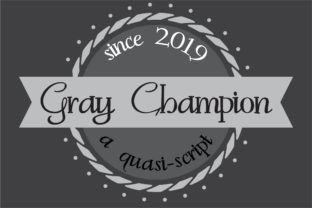
Pineapplemint’s Hand-Crafted Serif: Texture, Versatility, and Cutting-Machine Readiness
When you’re designing for craft projects—whether it’s a hand-lettered greeting card, a custom vinyl decal, or a laser-cut wooden sign—the right font does more than spell out words. It sets the mood, reinforces your brand’s authenticity, and most importantly, works with your tools. That’s where Pineapplemint’s hand-crafted serif font stands out—not as a sterile digital typeface, but as a tactile, intentional choice built for makers who value both beauty and function.
A Serif with Soul—and Subtle Texture
This isn’t your standard slab or transitional serif. Pineapplemint designed this font with visible, organic texture baked right into its letterforms—tiny imperfections, gentle irregularities in stroke weight, and soft-edged serifs that mimic hand-carved or inked lettering. But here’s what makes it unusually practical: that texture is deliberately restrained. It doesn’t overwhelm. It doesn’t interfere with legibility—even at small sizes or when scaled down for intricate cuts.
Think of it like a well-worn linen shirt: characterful, warm, and unmistakably handmade—but still crisp enough for a polished finish. That balance is rare. Many textured fonts sacrifice clarity on cutting machines, producing jagged edges or inconsistent cut paths. Pineapplemint’s serif avoids that pitfall by keeping vector outlines clean and stable, while preserving expressive nuance in the details—like the slight taper on an uppercase “T” or the uneven baseline rhythm that feels alive, not accidental.
Why Crafters and Makers Reach for This Font
Crafters don’t just pick fonts—they solve problems. And this Pineapplemint serif solves several at once:
- It reads beautifully on physical substrates—whether heat-pressed onto cotton, etched into acrylic, or stamped onto kraft paper. The subtle texture helps the lettering hold visual weight without needing bold weights or outlines.
- It imports cleanly into Cricut Design Space, Silhouette Studio, and LightBurn, thanks to optimized node count and smooth Bézier curves. No extra cleanup required before sending to your machine.
- It pairs intuitively with hand-drawn elements—think watercolor backgrounds, scanned botanical sketches, or stitched embroidery patterns. Its warmth bridges the gap between digital design and analog execution.
- It supports extended Latin characters, including accented letters used across Spanish, French, German, and Portuguese—making it ideal for bilingual labels, boutique packaging, or international craft markets.
One maker recently shared how she used it for a series of seasonal tea box labels. She needed something elegant enough for gift-worthy presentation but grounded enough to feel artisanal—not corporate. “The texture gave it personality,” she said, “but the spacing and kerning meant I didn’t have to manually nudge every letter. My Cricut cut it flawlessly, even at 3/8 inch tall.”
Fitting Into Real Creative Workflows
Let’s talk workflow—not theory. If you're using this Pineapplemint serif in your day-to-day making, here’s how it integrates smoothly:
- Sketch & Refine: Start with rough thumbnails or mood boards. Because the font has strong visual identity, it often informs color palette and layout decisions early on—e.g., warm terracotta + oatmeal paper + this serif = cozy apothecary vibe.
- Design in Vector: Import the OTF file into Illustrator or Affinity Designer. Use the font’s built-in OpenType features (like stylistic alternates or ligatures) sparingly—to add charm without clutter. For example, swapping the default “&” for the swash version only in headlines keeps things intentional.
- Prepare for Cut: Convert text to outlines *only after finalizing copy*. Then run a quick path check: no overlapping nodes, no tiny stray points. Most users report zero issues—but if you’re working with older machines or complex multi-layer files, simplifying compound paths first saves time.
- Test Before Batch: Cut one word on scrap material first. Watch how curves hold—especially tight ones like the counter of “e” or the loop of “g”. With Pineapplemint’s serif, those shapes retain integrity even at 0.25 mm line width.
It’s also worth noting: this font performs exceptionally well in print-on-demand contexts. Sellers using Printful or Gelato for mugs, tote bags, or art prints find that its texture translates faithfully to DTG (direct-to-garment) and offset printing—no pixelation, no loss of nuance.
What to Consider Before You Use It
Like any thoughtful tool, this Pineapplemint serif shines brightest when matched to the right use case. Here’s what to weigh:
- Not ideal for dense body text: While highly legible, its character-driven nature means it’s best reserved for headings, quotes, monograms, or short phrases—not paragraphs of instructions or product descriptions.
- Texture intensity is scalable: If you want more or less of that hand-crafted feel, adjust letter spacing slightly (looser = airier, tighter = bolder presence) or layer it over a subtle noise overlay in your design app—just avoid overcomplicating the vector itself.
- Licensing matters: Pineapplemint offers both personal and commercial licenses. If you’re selling physical goods (like stickers or engraved coasters), make sure your license covers production use—not just digital mockups.
- Contrast is your friend: Pair it with a clean sans-serif (like Montserrat or Inter) for supporting text. That contrast highlights its uniqueness without competing.
Meet Her Sister Font—And Why the Pairing Works
You’ll often see Pineapplemint mention “her sister font”—and for good reason. That companion is typically a complementary sans-serif or a simplified, smoother serif, designed to share the same x-height, spacing logic, and stylistic DNA. Where the main serif brings warmth and tactility, the sister font delivers clarity and neutrality.
Imagine designing a wedding invitation suite: the serif handles the couple’s names and ceremony date with quiet elegance; the sister font handles RSVP details, directions, and accommodation notes—consistent yet distinct. Or picture a small-batch candle label: serif for the scent name (“Honey & Sage”), sister font for net weight and ingredients. They’re two voices in one conversation.
That intentional pairing reflects how Pineapplemint thinks about typography—not as isolated assets, but as relational tools. When you license one, you often get access to the other at a bundled rate—or early access to updates. It’s a detail-oriented approach that mirrors how real designers work: thinking in systems, not singles.
Final Thoughts for the Practical Maker
If you’ve ever spent hours tweaking a font’s outline only to have it distort on vinyl, or hesitated to use a beautiful typeface because it looked “too fragile” for your Glowforge, this Pineapplemint serif is likely the answer you didn’t know you needed. It’s proof that craftsmanship and compatibility aren’t mutually exclusive.
It won’t fix poor kerning habits—but it rewards attention to spacing and scale. It won’t replace thoughtful layout—but it elevates even simple arrangements with quiet confidence. And it won’t do the work for you—but it makes the work feel more meaningful, more human, and more distinctly yours.
Whether you’re running a solo Etsy shop, teaching weekend craft workshops, or designing branding for a local bakery, this font doesn’t shout. It invites. It endures. And it cuts—cleanly, reliably, beautifully—every single time.