Programs
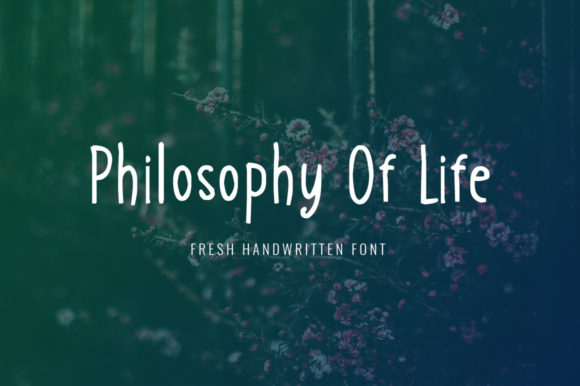
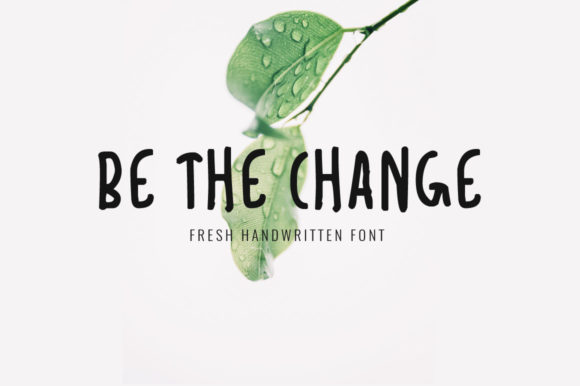
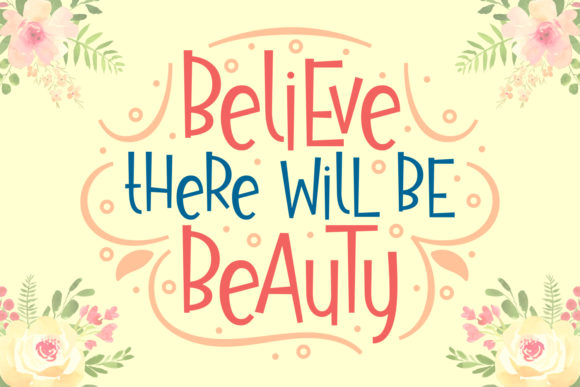
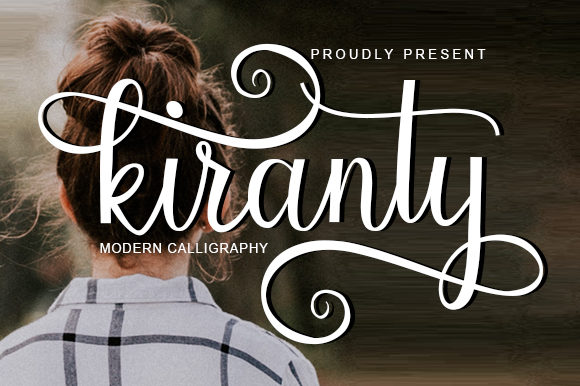
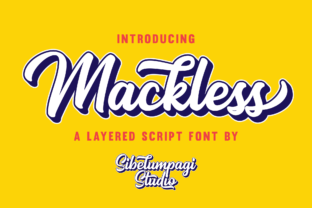
Programs isn’t just another handwritten font—it’s a carefully crafted, modern script that balances spontaneity with polish. Each letter flows with subtle variation in stroke weight and rhythm, mimicking the natural imperfection of ink on paper—yet it remains highly legible, consistent, and purpose-built for real design work. Unlike overly decorative scripts that fade into background noise, Programs holds attention without shouting. It’s the kind of typeface you reach for when you want warmth, authenticity, and quiet confidence—not gimmicks.
Where Programs Fits Naturally (and Where It Doesn’t)
Fonts live or die by context—and Programs thrives where human connection matters most. Think wedding stationery: an invitation set in Programs feels personal, not pre-printed. The “R” with its soft upward flick, the gentle taper on the “g” tail, the way lowercase “a” and “e” open with friendly curves—they all whisper intention. A couple choosing Programs for their save-the-dates isn’t picking a font; they’re signaling care, thoughtfulness, and a desire for something that feels handmade, even if it’s digital.
Small businesses lean on Programs to soften branding without sacrificing professionalism. A ceramicist listing new mugs on Etsy? Her product page headline in Programs—paired with clean sans-serif body text—immediately conveys craft, care, and tactile quality. A boutique fitness studio naming its “Mindful Mornings” class series? Programs adds approachability while keeping the tone grounded—not cutesy, not corporate.
It also works beautifully in editorial spaces where voice is central. A newsletter about slow living might use Programs for section headers (“This Week’s Ritual”, “A Note from Me”) to reinforce intimacy and consistency across issues. Similarly, independent authors designing their own book covers often choose Programs for titles—especially memoirs, poetry collections, or essay compilations—because it suggests vulnerability and sincerity without leaning into cliché handwriting tropes.
Who Benefits—and How They Use It Differently
A freelance designer working across industries treats Programs like a versatile brush: precise enough for client presentations, expressive enough for mood boards. She’ll use it sparingly—never for full paragraphs—but consistently across touchpoints: a logo lockup, a hero banner, a thank-you card footer. For her, Programs is a tool for tonal alignment, not decoration.
Teachers and educators building classroom resources often download Programs to add visual warmth to printable worksheets, reading logs, or parent newsletters. Its clarity at 14–18pt makes it functional for young readers or neurodiverse learners who benefit from open letterforms and clear word shapes—even though it’s handwritten in spirit, it doesn’t sacrifice readability.
Nonprofits focused on community-building—like neighborhood gardens, mutual aid networks, or literacy programs—use Programs in flyers and social graphics to signal accessibility and heart-first values. One local food bank reported higher volunteer sign-up rates after switching from generic script fonts to Programs in their Instagram story templates. Their observation? “People said it looked ‘like someone actually wrote this for us.’”
Practical Considerations Before You Apply Programs
Like any strong personality, Programs needs thoughtful pairing. It shines brightest beside neutral, well-spaced sans-serifs (think Inter, Lato, or Manrope) or sturdy serifs (Crimson Text, Merriweather). Avoid competing scripts or overly geometric fonts—they’ll clash instead of complement. And while Programs includes standard Latin characters, accents, and punctuation, double-check support for extended language sets if you’re designing for multilingual audiences.
Size and spacing matter more here than with many display fonts. At small sizes (<12pt), fine details like the delicate entry strokes on “c” or “e” can blur—so reserve Programs for headlines, logos, quotes, and short callouts. For longer text blocks, stick to its intended role: emphasis, not exposition.
Also worth noting: Programs comes in one weight (regular) with no bold or italic variants. That’s intentional—it reflects how real handwriting rarely shifts weight mid-sentence. But it means you’ll need alternate strategies for visual hierarchy. Instead of bolding, try increasing size slightly, adding generous letter-spacing, or using color contrast. Many designers pair Programs with a robust variable sans-serif to handle subheads, captions, and body copy reliably.
Strengths That Stand Out in Real Projects
- Legibility without sterility: Its open counters and generous x-height mean it reads clearly even on mobile screens or printed materials viewed at arm’s length.
- Personality with restraint: It avoids the “schoolroom cursive” or “fancy calligraphy” pitfalls—no excessive swirls, no forced flourishes. Just honest, rhythmic writing.
- Fast integration: Works out-of-the-box in Figma, Adobe Creative Cloud, Canva, and Google Fonts (if self-hosted). No complex OpenType features required to get great results.
- Cross-platform reliability: Renders cleanly across browsers, email clients, and PDF exports—unlike some script fonts that pixelate or substitute unexpectedly.
When to Pause and Consider Alternatives
Programs may not be your best choice if your project demands strict brand uniformity across dozens of global markets with diverse scripts—or if your audience skews heavily toward technical, data-driven contexts (e.g., enterprise SaaS dashboards, academic journals, regulatory documents). In those cases, clarity, neutrality, and scalability outweigh expressive nuance.
It’s also less ideal for ultra-minimalist aesthetics where every element must feel engineered or anonymous. If your brand voice is “quiet luxury” rather than “thoughtful craft,” you might lean toward a refined serif or monoline sans instead.
Real Design Moments That Highlight Programs Well
A Brooklyn-based florist uses Programs for her weekly “Bloom Notes” email subject lines—always paired with a photo of that week’s featured stem. Subscribers report recognizing her emails instantly in crowded inboxes, not because of color or layout, but because of that familiar, unhurried rhythm in the type.
An indie board game designer chose Programs for the title treatment on her Kickstarter campaign for a storytelling game about family recipes. Backers commented repeatedly that the font made the project feel “like a recipe card passed down”—which directly reinforced the game’s emotional core.
A university writing center adopted Programs for workshop handouts titled “Try This Revision Move” and “What Your Draft Is Telling You.” Students told staff the font made feedback feel less intimidating and more conversational—proof that typography subtly shapes how information lands.
None of these uses require advanced typographic knowledge. Just an understanding that Programs isn’t about looking “handwritten.” It’s about looking *human*—in ways that resonate, reassure, and invite engagement.