Badrudin
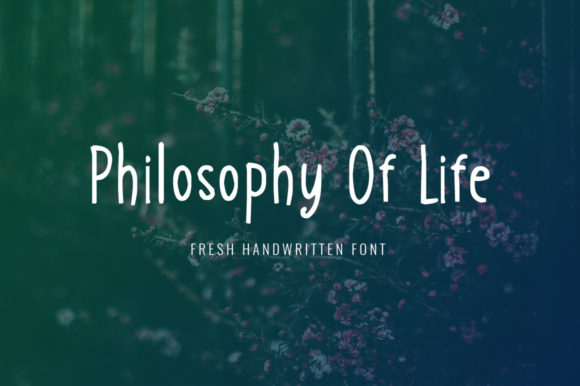
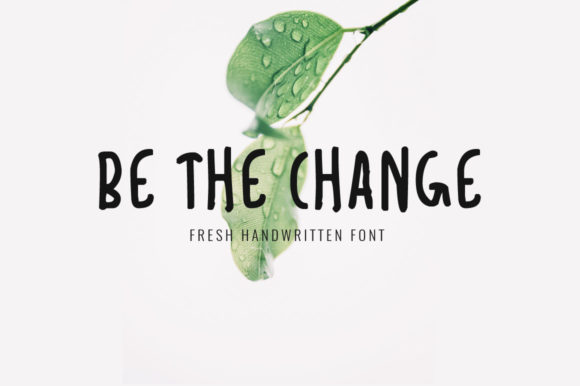
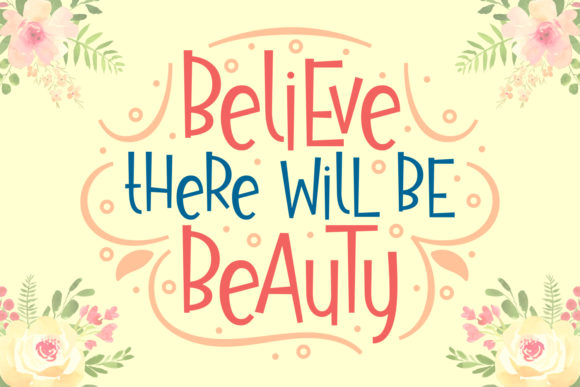
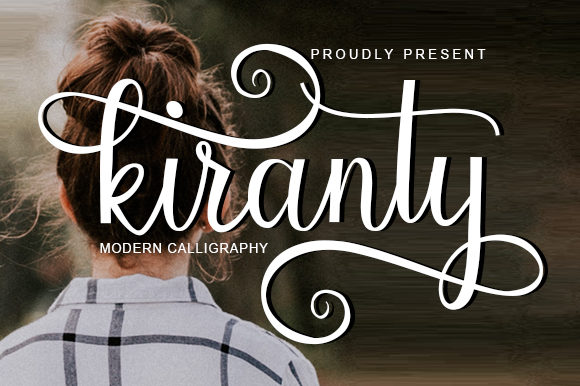
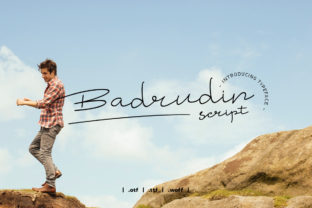
Badrudin is a wonderfully unique handwritten font that will effortlessly put an authentic spin on any design idea. It’s not just another script font—it’s expressive, warm, and full of intentional imperfection, like ink pressed gently onto textured paper by a practiced hand. Designed with subtle variation in stroke weight, natural tapering, and organic spacing, Badrudin avoids the stiffness of digitized calligraphy while staying highly legible and versatile.
Where Badrudin Feels Like Home
You’ll find Badrudin thriving in contexts where sincerity matters more than symmetry—where people aren’t scanning for data, but pausing to feel something. Think of it as the visual equivalent of a thoughtful handwritten note slipped into a gift box: personal, unhurried, and quietly confident.
Small Businesses Building Trust
Local bakeries, ceramic studios, indie bookshops, and wellness practitioners often lean on Badrudin for packaging, business cards, and social media visuals. Why? Because it signals care without saying a word. A candle label set in Badrudin feels like it was made by someone who stirred the wax by hand. A therapy practice’s website hero text in Badrudin subtly communicates empathy—not clinical distance. It’s especially effective when paired with soft photography and muted tones, reinforcing authenticity rather than competing with it.
Wedding & Event Design That Breathes
Couples planning intimate weddings or micro-events regularly choose Badrudin for invitations, seating charts, and ceremony programs. Its rhythm mimics the gentle flow of cursive handwriting—ideal for names, dates, and poetic wording—but remains clear enough for guests of all ages to read comfortably. Unlike overly ornate scripts, Badrudin doesn’t sacrifice legibility for flair. One wedding designer shared that clients consistently say, “It looks like *us* wrote it”—a testament to how well Badrudin mirrors human voice on the page.
Digital Products with Personality
Not all fonts translate smoothly to screens—but Badrudin holds up surprisingly well at larger sizes (24px and up) on websites and apps. It’s become a quiet favorite among creators launching digital courses, print-on-demand planners, or mindfulness journals. In those spaces, users crave warmth and approachability. A habit-tracking app using Badrudin for section headers or motivational quotes feels more like a supportive friend than a productivity bot. Just avoid using it for body copy or small interface labels—its charm lives in moments of emphasis, not utility.
Who Benefits—and How
Badrudin isn’t one-size-fits-all, but its strengths align beautifully with specific creative roles and goals:
- Freelance designers use it to differentiate client work in saturated markets—especially for lifestyle, food, and artisanal brands that want to stand out from generic sans-serif sameness.
- Content creators apply it selectively in Canva templates, Instagram quote graphics, or YouTube thumbnails where emotional resonance boosts engagement more than bold contrast.
- Teachers and educators incorporate it into printable worksheets or classroom posters aimed at younger learners—it adds playfulness and approachability without looking childish.
- Nonprofit communicators rely on it to soften formal messaging—say, in donor thank-you letters or community outreach flyers—making mission-driven language feel grounded and human-centered.
What to Consider Before You Use It
Like any expressive typeface, Badrudin works best when matched thoughtfully to context—not just aesthetics. Here’s what real users notice before committing:
- Legibility at smaller sizes: While charming at 36pt+, Badrudin begins to lose clarity below 18pt—especially in long paragraphs or dense layouts. Reserve it for headlines, short quotes, logos, or decorative accents.
- Pairing matters: It sings alongside clean, neutral sans-serifs like Inter, Lato, or Open Sans. Avoid pairing it with other decorative or high-contrast fonts—Badrudin needs breathing room to shine.
- Licensing clarity: Badrudin is available through reputable foundries with clear desktop, web, and commercial licenses. Always verify usage rights if you’re embedding it on a client’s website or distributing branded assets.
- Brand alignment: If your brand voice is sharp, technical, or fast-paced (think fintech dashboards or cybersecurity reports), Badrudin may unintentionally soften your message too much. It excels where warmth and humanity are strategic advantages—not stylistic afterthoughts.
Strengths That Show Up in Real Projects
What makes Badrudin more than just “pretty”? Its practical strengths emerge across projects:
- Emotional consistency: Unlike fonts that shift tone depending on weight or width, Badrudin maintains its friendly, unhurried character across all its styles—giving designers reliable tonal control.
- Print-friendly texture: When printed on uncoated stock or letterpress, Badrudin’s slight irregularities enhance tactile appeal—no digital smoothing needed.
- Adaptability across mediums: From embroidered tote bags to animated Instagram Stories, its distinct letterforms hold up whether static or in motion—especially when used sparingly and with intention.
- Low cognitive load for readers: Despite being handwritten, its letter shapes follow familiar conventions—no ambiguous ‘a’s or indecipherable ‘g’s. People recognize words quickly, even on first glance.
A Few Gentle Limitations to Keep in Mind
No font solves every problem—and that’s okay. Badrudin isn’t built for:
- Long-form editorial content (blogs, whitepapers, legal disclaimers).
- High-contrast accessibility requirements—its variable stroke weight means it’s not ideal for WCAG AA+ compliance in primary text roles.
- Brands requiring strict typographic hierarchy across dozens of global markets—its personality shines brightest in focused, intentional applications, not sprawling systems.
That said, limitations aren’t weaknesses—they’re boundaries that help you use Badrudin more powerfully. Knowing where it thrives helps you skip over trial-and-error and go straight to impact.
Real Moments, Not Just Mockups
One florist used Badrudin on reusable kraft tags tied to bouquets—customers started photographing them and tagging her shop. A children’s author chose it for chapter title pages in a middle-grade novel; early readers told their teachers, “It looks like the story is whispering.” A nonprofit added it to their email subject lines during Giving Tuesday—and saw a 12% lift in open rates among donors aged 45–65, likely because it stood out amid algorithmically optimized, all-caps competition.
These aren’t edge cases. They’re reminders that typography isn’t decoration—it’s communication with texture, timing, and tone. Badrudin gives you a way to speak softly, clearly, and memorably—when the moment calls for it.